

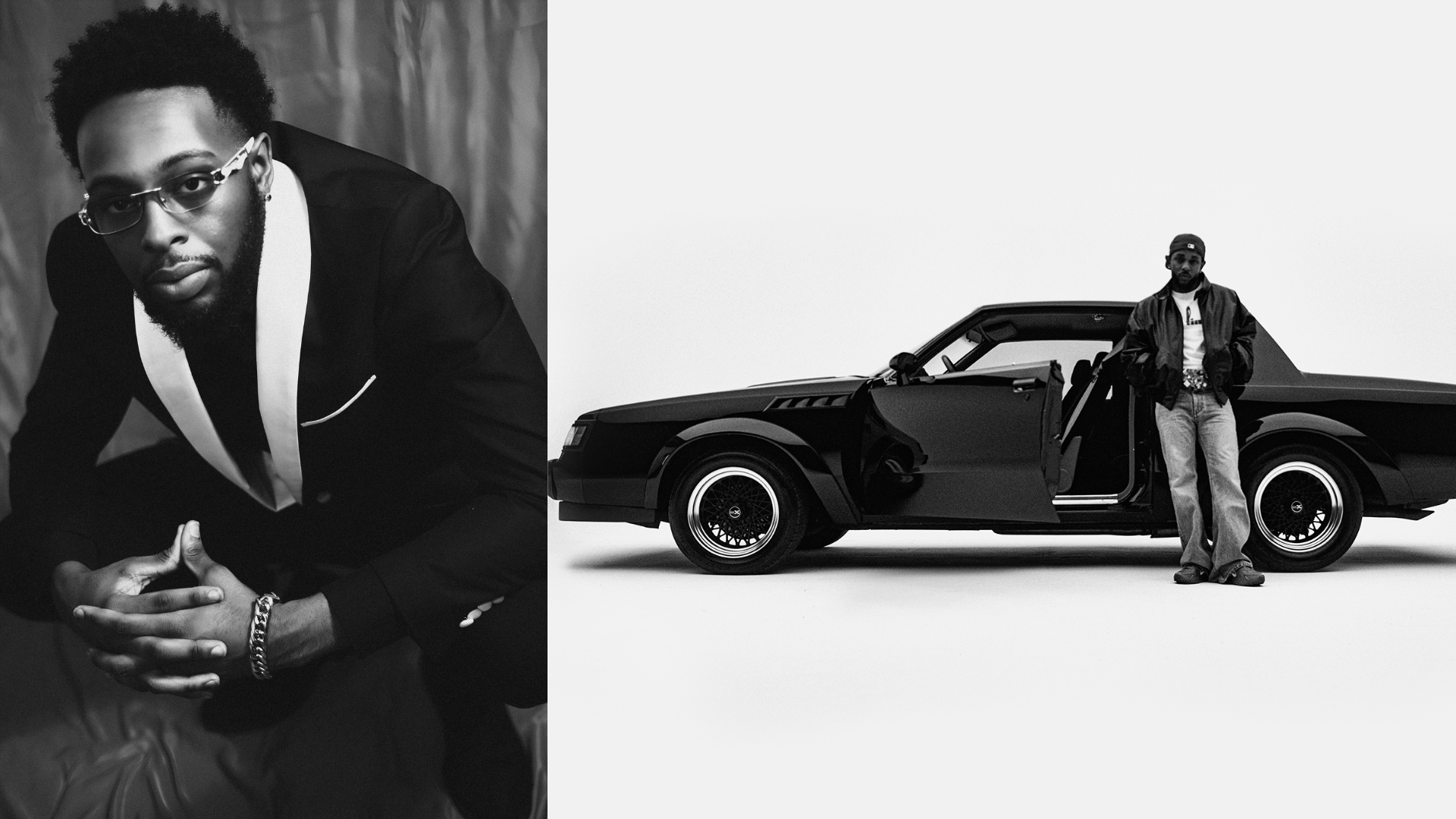
So, Kendrick Lamar performed at the Super Bowl and received an astronomical amount of backlash.
Let me be clear, If you call yourself a creator, an artist —whatever title you choose—and you’re watching people slander this moment without saying a word, that’s a problem.
Forget everything else for a second. Just focus.
Rap is one of the most powerful tools this world has ever experienced. It remains one of the most effective ways to communicate across different backgrounds, cultures, and ethnicities. It’s bigger than music. It’s influence. It’s storytelling. It’s a voice for the unheard.
And it’s been under attack ever since we let outsiders in.
When rap became a global force, we handed over control to people who never truly cared about the culture. And they never will. They took what we built, profited off of it, and then worked overtime to devalue it in front of the masses. They made it seem like rap was nothing more than noise—until they found a way to sell it back to us on their terms.
And the worst part? We let it happen.
Rap is the only industry where there’s no real standard of entry. No process to prove your understanding or respect for its roots. No real structure to maintain its integrity. Other industries—tech, construction, law, medicine—have systems in place to ensure the people entering them take their work seriously. But in rap? Anybody can slide in, manipulate the culture, and profit off of it without ever respecting its true purpose.
That’s how we got here.
And now, when someone like Kendrick Lamar dares to use his platform to challenge the system, to speak truth to power, the loudest backlash comes from people who look just like him. Instead of recognizing the importance of what he’s doing, too many are quick to downplay it, mock it, or side with those who have never had our best interests at heart.
That’s what disturbs me.
These realities are often seen, but rarely acted upon. He used the Super Bowl stage to change that. Instead of contributing to this crucial moment, some are turning it into a joke. Even if you don’t like the music, the cause is bigger.